

The site caught up with the company, one page at a time.
TLDR Mindsay's site had aged, and rebuilding it was ruled out from the start. Heka took the pages one at a time instead, building each from the team's Figma designs and putting it live while the next one was being prepared. Over roughly eighteen months the site was modernised page by page, with the old foundations left where they were and the site never taken down.
- Services
- Figma to Webflow
- Tools Stack
- Figma
- Webflow
- Custom code
- Deliverables
- Landing pages
- Integrations
- Integrations
- Hubspot
- Weglot
Overview
Mindsay built conversational AI for customer service teams, with a site addressing several industries at once, travel, banking and professional services among them. Its website already existed and looked respectable, but it had aged and its underlying structure had not been built to be extended. Rather than rebuild, Mindsay chose to modernise it in place. Heka handled the Webflow side for around eighteen months, taking the pages one at a time from the designs produced by Mindsay's internal design team and an external freelance designer. When Laiye acquired Mindsay, it kept the Webflow system already running there and asked Heka to rebuild its own international site, which became a separate project.
The site still looked the part, and had stopped keeping up.
Mindsay was selling conversational AI to customer service teams across several industries, and its website carried the whole offer: an industry page for travel, one for banking, one for professional services, a demo page, a free trial onboarding sequence. The site worked and looked acceptable, but it had started to date, and the company wanted it brought back in line with where the product had got to.
The obvious fix was a rebuild, and a rebuild was out.
Under the surface, the site had not been built to be worked on. Classes were inconsistently named, with no convention holding them together, so every change cost more than it should have. Repairing that was ruled out at kickoff and stayed ruled out: it would have meant stopping a site the marketing team was actively selling from, on a timeline nobody had agreed to, for a benefit no visitor would ever see. So the work had to happen on top of foundations that could not be touched, without pausing the site and without waiting for a full redesign to be ready.
Modernise the surface, leave the foundations alone.
Bring the site back up to date
Leave the existing architecture in place
Advance at the marketing team's pace
Figma to Webflow, one page at a time.
Each page treated as its own project
Quoted, built and shipped independently, so the series could stop, resume or reorder without anything being left half-done. The Malt record shows the shape plainly: customer pages, banking, travel, professional services, demo pages, a new home page, a free trial onboarding page, each one a separate job.
Built from the client's Figma files
Designs came from Mindsay's internal design team working with an external freelance designer. Heka built them in Webflow and reviewed each staging version with the team on MarkUp.
Working inside the existing class system
Existing classes reused wherever they could carry the new design, with a small set of custom ones added only where they could not. Fast to build on, and it left the foundations exactly as they were found.
The features each page needed
Search, sorting and filtering, a video popup on the home page, a thank-you page built as a CMS collection template so it could be reused rather than duplicated.
Weglot for the multilingual version
Plus dedicated performance work on the site, first a holding fix and then a full one.
The site was modernised in Webflow without ever being taken down.
The site got current without a rebuild. Page after page, the parts visitors saw were brought up to date while the architecture underneath stayed where it was, which is what Mindsay had asked for and what a full redesign would have cost it.
Nothing was ever offline waiting for the next thing. Each page went live and was used the moment it was ready, while the following one was still being prepared. The marketing team never had to sell from a site that was mid-renovation.
The order of the work was Mindsay's to set. Because the pages were independent, the sequence followed marketing priorities rather than a build plan, and pages could be added or deferred as the offer moved.
Spend stayed a page-by-page decision. Each page was quoted and delivered on its own, so the company committed in increments it chose rather than to a single redesign budget agreed up front.
Discover more of our work
See all case studies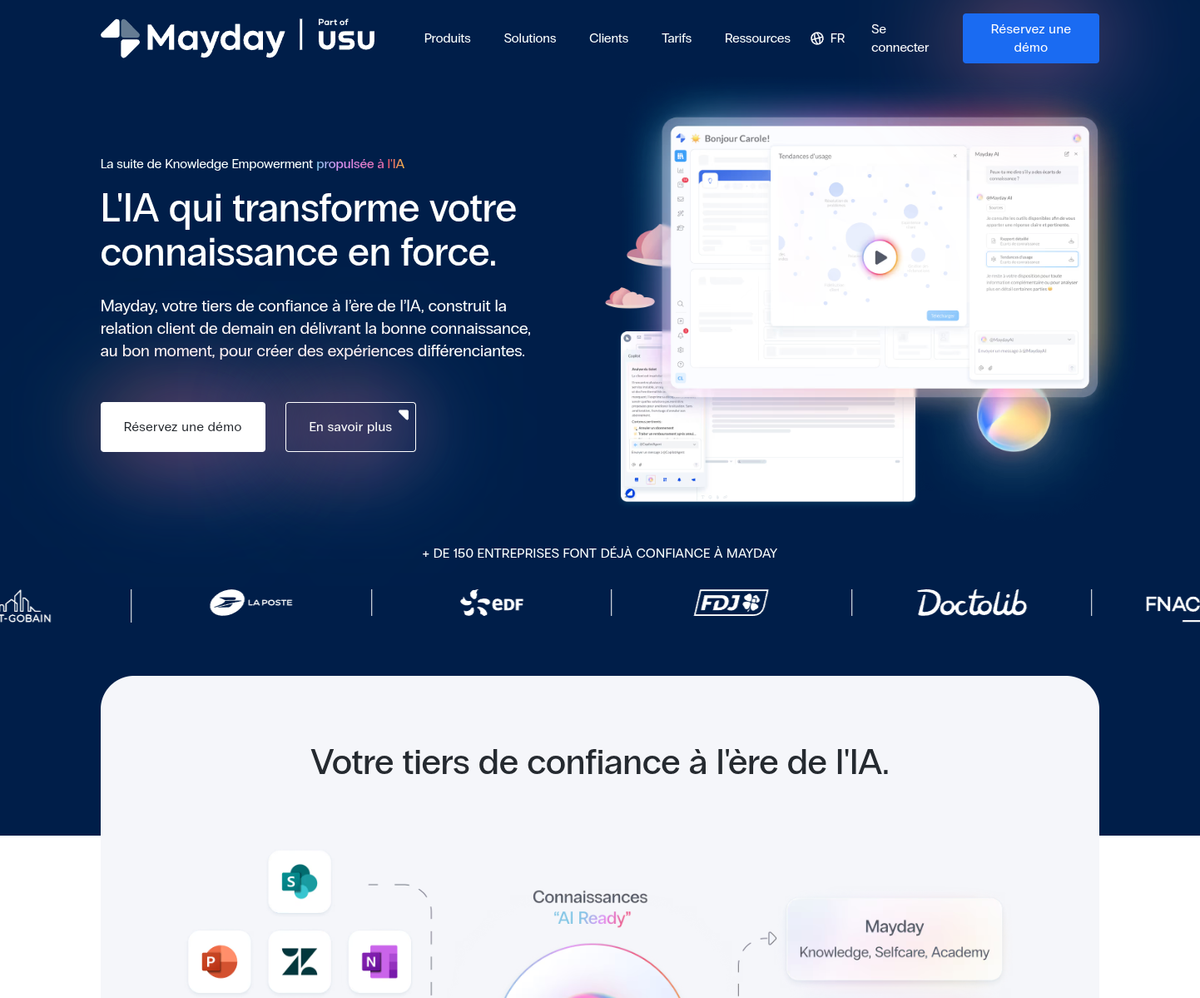
Mayday
Mayday is an intelligent knowledge-base SaaS for customer-service teams which needed its marketing site to express the seriousness of the product and speak precisely to each audience. Heka redesigned the key graphic elements, extended the new design direction across the full site, and rebuilt it in Webflow.
Yaba
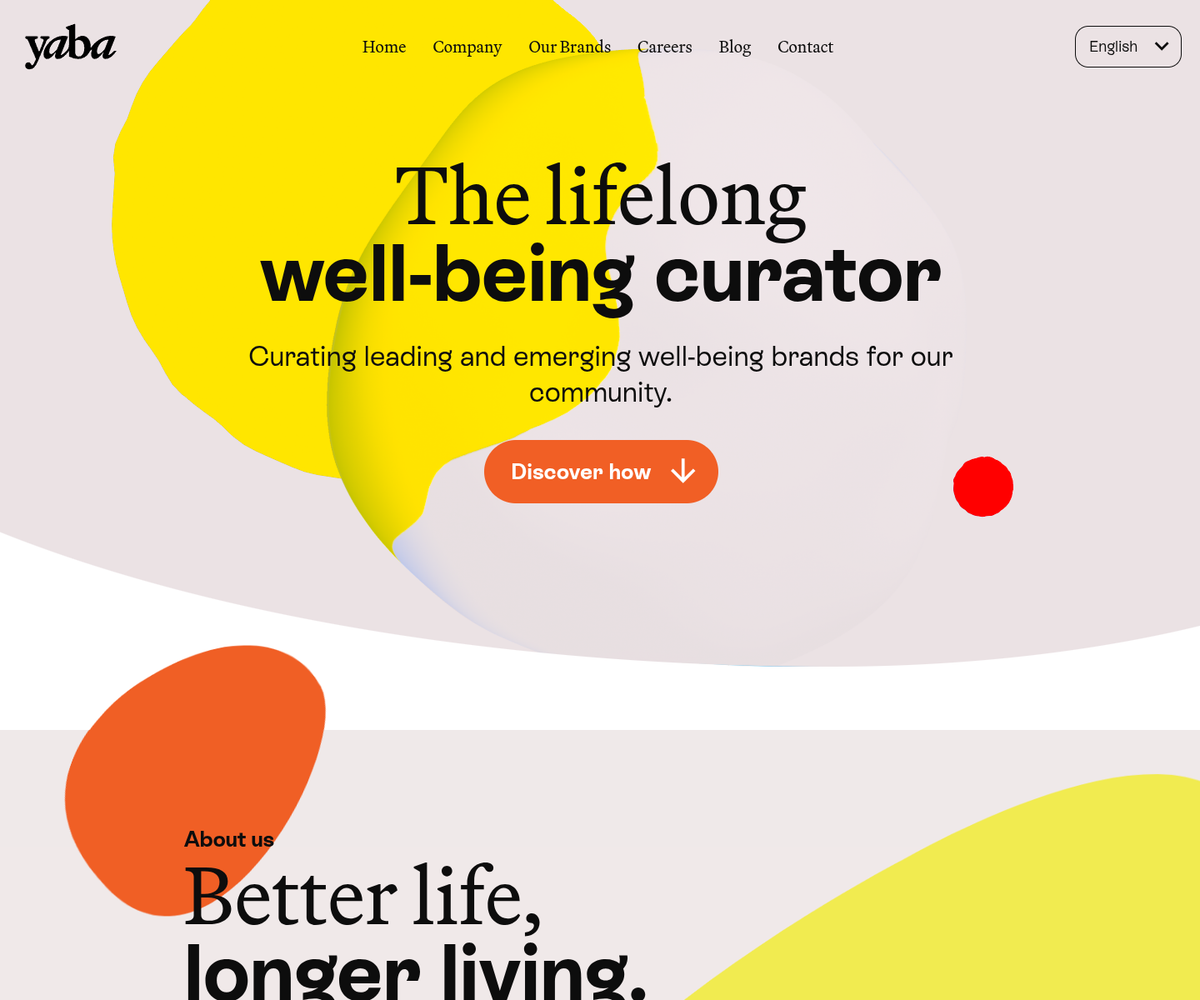
Yaba was leaving behind the business it had made its name in, buying and growing Amazon-based brands, to become a brand partner in longevity nutrition. The new identity was ready and part of the site was designed, but none of it was built. Heka built the whole site in Webflow, gave the new brand the movement it was designed for, and handed it over in a state the team could keep running on its own, from the blog to the open roles.
Laiye
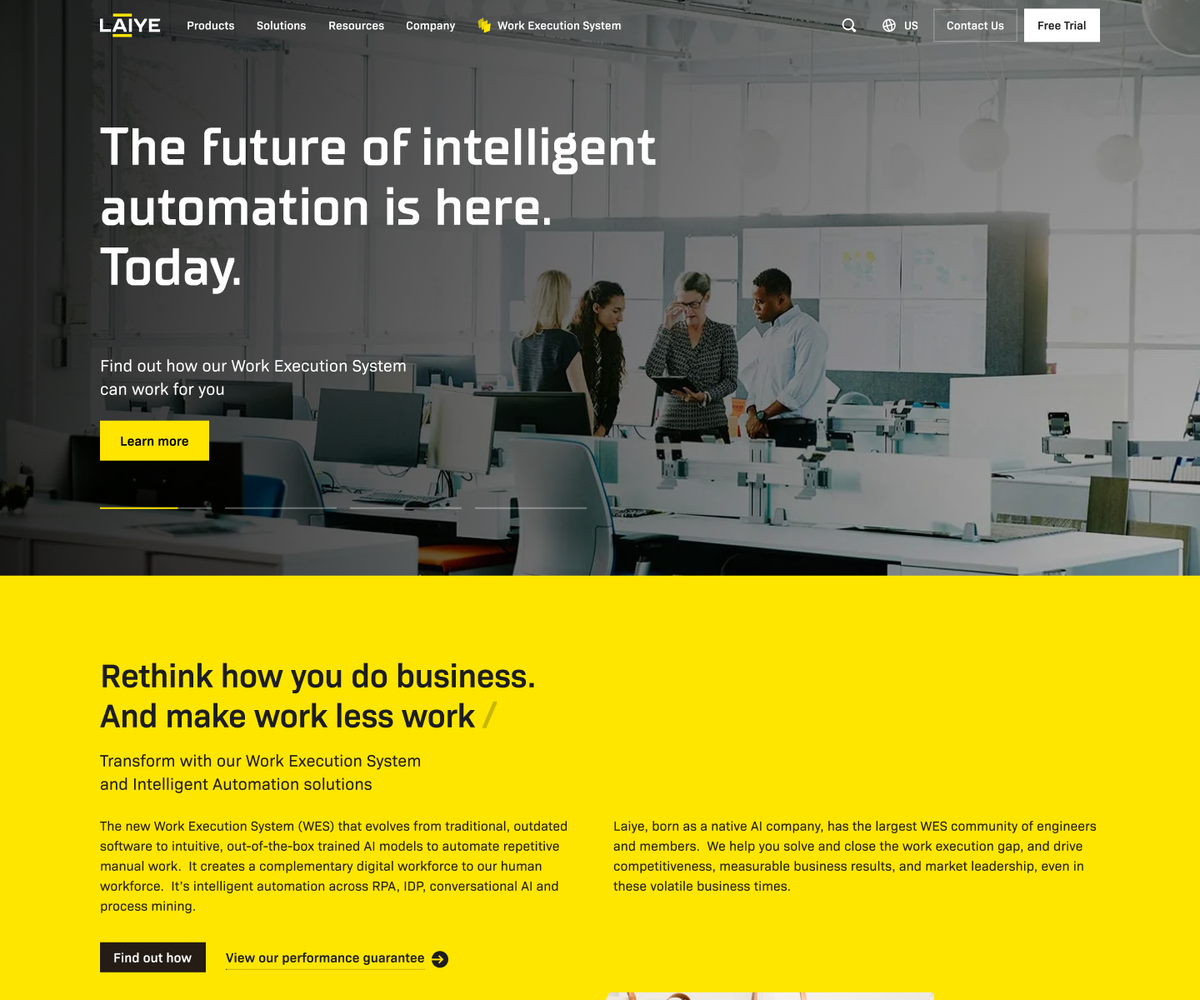
A large international site, hard-coded on Chinese infrastructure, was slow to reach from outside China and impossible to update without an IT ticket. Heka migrated it to Webflow inside a fixed ~3-month window, recovered the content from a site with no export path, wired the forms back into the CRM, worked with Laiye's tech team until access held on both sides of the Great Firewall, and handed the marketing team a site they could run themselves.